


Dopamine dating apps have fundamentally changed the way human beings seek romantic connection — and not in the way their marketing teams would have you believe.
If you have spent hours swiping through strangers on dating apps, felt a rush when you got a match, and then felt strangely empty moments later — you are not imagining things. You are experiencing the deliberate neurological manipulation of one of your brain’s most powerful chemical systems.
This article explains exactly how dopamine dating apps exploit your brain chemistry, what this does to your ability to form real connections, and what science says actually works instead.
Table of Contents
- What Is Dopamine and Why Does It Matter for Dating?
- How Dopamine Dating Apps Hijack Your Brain
- The Real Cost of the Dopamine Loop
- The Science of Real Human Connection
- How to Reset Your Brain After Dating App Addiction
- Activity-Based Dating: The Healthy Alternative
- Conclusion
1. What Is Dopamine and Why Does It Matter for Dating?
Dopamine is one of the brain’s most important chemical messengers. Most people call it the pleasure chemical — but neuroscientists will tell you that is not quite right.
According to research published in the journal Neuron, dopamine is not released when you experience pleasure. It is released in anticipation of pleasure. It is the feeling of wanting, not the feeling of having.
This distinction is everything when it comes to understanding dopamine dating apps.
When you swipe right on someone attractive, your brain does not know yet whether they will match with you. That uncertainty — that split second of not knowing — is when dopamine floods your system. The possibility of a reward is more exciting to your brain than the reward itself.
This is why you feel a rush when you swipe, but often feel nothing when you actually match. The match is the answer. The anticipation was the drug.
2. How Dopamine Dating Apps Were Designed to Hijack Your Brain

Dopamine dating apps were not designed to help you find love. They were designed by behavioral psychologists and engineers to maximize the time you spend on the app — which maximizes advertising revenue.
Every element of the modern dating app experience was carefully engineered around your dopamine system.
Variable Reward Schedules and Dopamine Dating Apps
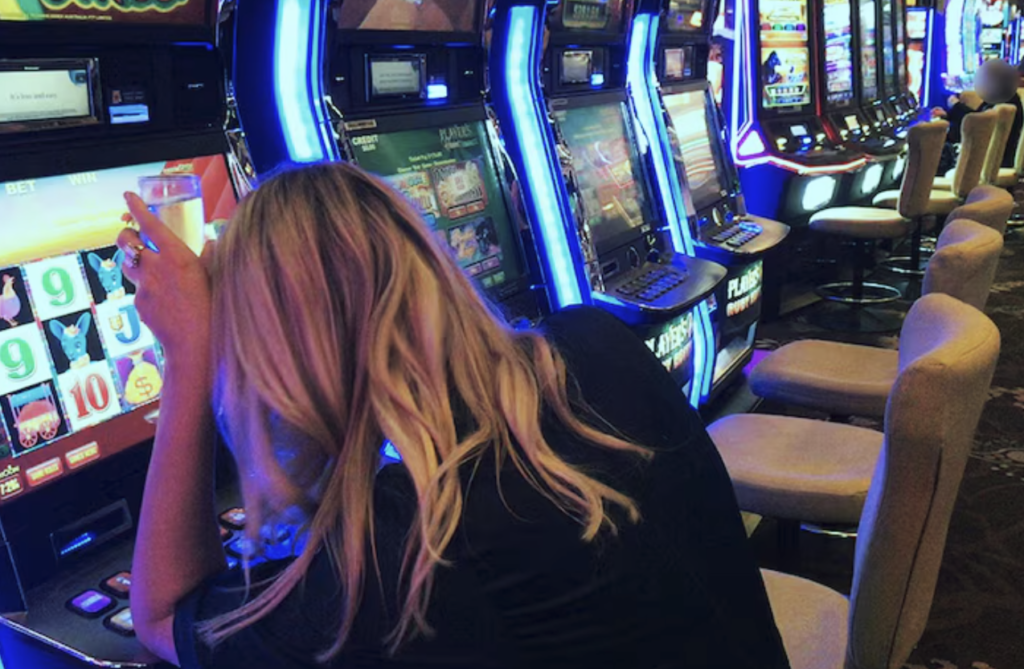
The most powerful mechanism in dopamine dating apps is what psychologists call the variable reward schedule. This is the same mechanism that makes slot machines addictive.
According to research by behavioral psychologist B.F. Skinner, variable reward schedules produce higher rates of response than any other reward pattern. When you get a reward sometimes — unpredictably — your brain goes into overdrive trying to get the next hit.
Swiping is a slot machine. Most swipes lead to nothing. But occasionally, unpredictably, you get a match. That unpredictability is precisely what keeps you swiping.
The Infinite Scroll Problem
Dopamine dating apps never end. There is always one more profile to see. This is not an oversight — it is a deliberate design choice called infinite scroll.
Your brain evolved in an environment where resources were finite. When the berries ran out, you stopped picking. Dopamine dating apps removed that natural stopping point entirely. There are always more people to evaluate.
Notifications as Dopamine Triggers

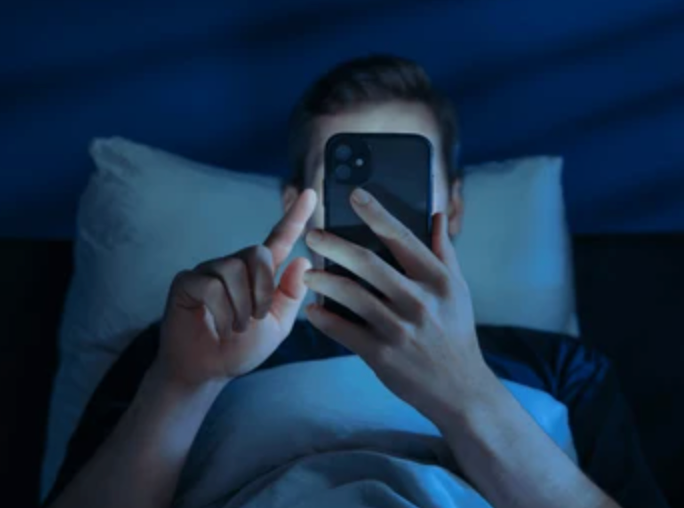
Every notification from a dating app — a match, a message, a like — is a tiny dopamine hit. Apps send these at calculated intervals because the delay creates anticipation. According to research from the University of Michigan, smartphone notifications trigger the same dopamine pathways as gambling.
You are not checking your phone because you are lonely. You are checking it because your brain has been conditioned to crave the dopamine hit that might be waiting there.
3. The Real Cost of the Dopamine Loop in Dating Apps
Here is what nobody tells you about dopamine dating apps: they do not make you happier. They make you want more.
The more dopamine hits you receive from swiping, the higher your tolerance becomes. What felt exciting in the beginning feels ordinary now. You need more swipes, more matches, more novelty to feel the same stimulation.
This is why people who have used dating apps for years often report feeling more jaded and more hopeless than when they started. They have been on hundreds of dates that led nowhere. The dopamine loop of dating apps is not leading toward love. It is training your brain to prefer the hunt over the relationship.
What Dopamine Dating Apps Do to Real Connection
When your brain has been conditioned by dopamine dating apps — the instant gratification, the endless novelty, the engineered hits — real human connection starts to feel slow and boring by comparison.
Real people do not send you match notifications. Real chemistry builds gradually through shared experience. Many people find that after years of dopamine dating apps, they have lost the ability to appreciate slow-burning connection.
But that is not how love actually works.
4. The Science of Real Human Connection
Here is what research actually says about how lasting romantic bonds are formed — and it has nothing to do with dopamine dating apps.


Oxytocin: The Real Bonding Chemical
While dopamine drives the wanting phase of attraction, the bonding phase is driven by oxytocin — often called the love hormone. According to research published in Psychoneuroendocrinology, oxytocin is released through physical proximity, eye contact, touch, and shared experience.
You cannot get an oxytocin hit from a screen. You can only get it from actually being with another person.
This is why couples who meet through shared activities — hiking, cooking classes, dance lessons — often report feeling connected faster and more deeply than couples who met through dopamine dating apps. The shared physical experience triggers oxytocin in a way that digital interaction cannot replicate.
The Role of Shared Challenge
Research in social psychology consistently shows that people bond more deeply when they experience mild challenge or adventure together. This is called the misattribution of arousal — the slight excitement of a new shared experience gets attributed to the other person, creating genuine feelings of attraction.
This is why an activity date creates chemistry that a coffee date never will. The mild physical challenge of a hike, the creative vulnerability of a painting class, the playful competition of a cooking date — these experiences trigger the neurochemical conditions for bonding.
For more on the science of attraction and shared experience, Psychology Today has an excellent overview of how shared activities build romantic bonds.
5. How to Reset Your Brain After Dopamine Dating App Addiction
If you recognize yourself in any of this, the good news is that your brain is remarkably adaptable. The same neuroplasticity that allowed dopamine dating apps to condition your brain can be used to recondition it.
Step 1: Take a Break from Dopamine Dating Apps
This is uncomfortable at first. Your brain will protest. You will feel restless without the constant stimulation. This is real neurochemical withdrawal.
Give it two weeks. The restlessness will pass. And when it does, you will start to notice that real life becomes more interesting again. People around you become more attractive. Ordinary moments feel more vivid.
Step 2: Pursue Activities You Love
When you engage in activities you are passionate about, your brain releases dopamine in a healthy sustainable way. You fill the void left by dopamine dating apps with genuine stimulation rather than artificial stimulation.
And the people you meet while doing things you love are automatically more compatible with you than a random stranger on an app.
Step 3: Embrace Slow Connection
Practice tolerating the discomfort of slow-building connection. Resist the urge to immediately evaluate whether someone is the one. Let things develop. Show up for the experience rather than the outcome.
Step 4: Create Shared Experiences Instead of Coffee Dates
Instead of meeting for coffee — which gives your brain nothing to work with except conversation and evaluation — suggest doing something together. A hike. A cooking class. A visit to a market or gallery.
Shared experience is the natural environment in which human bonding evolved. Your brain knows exactly what to do with it.
6. Activity-Based Dating: The Healthy Alternative to Dopamine Dating Apps
What if instead of opening a dopamine dating app and swiping through strangers, you simply posted what you wanted to do this weekend — and someone nearby who wanted to do the same thing joined you?
No dopamine manipulation. No infinite scroll. No variable reward schedule engineered to keep you hooked.
Just two people doing something real together.
This is the model behind Road69 — an activity-based dating platform where connection starts with a shared experience rather than a swipe. You post a hiking trail, a cooking night, a dance class, or any of 16 activities. Someone nearby who loves the same thing joins you.
Your brain gets the genuine dopamine of real anticipation — meeting someone new in a real context — followed by the oxytocin of shared physical experience. The neurochemical conditions for actual connection rather than the endless loop of dopamine dating apps.
Here is how Road69 works:
- Post your activity — Hiking Sunday? Cooking Friday? Post it in 30 seconds
- Someone nearby joins — Check their profile and reviews then decide
- Just show up — No awkward first date. Just two people doing something they love
You can browse activities near you and post your first activity completely free at road69.com.
7. Conclusion: Break Free From Dopamine Dating Apps
Dopamine dating apps are not evil. But they were not designed with your happiness in mind. They were designed to keep you using them — and the most powerful tool they have for doing that is your own brain chemistry.
Understanding the dopamine trap does not mean you can never use an app again. It means you can use them with awareness rather than compulsion. And it means you can recognize that the restless never-satisfied feeling you get from endless swiping is not a reflection of your love life. It is a reflection of what happens when a natural human drive gets hijacked by engineered stimulation.
Real connection feels different from a match notification. It is slower. Quieter. Less immediately exciting. But it builds into something that no algorithm can replicate.
Your brain evolved to fall in love with a real person in a real place doing real things together.
Give it the chance to do what it was designed to do.


About Road69 Road69 is a free activity-based dating platform that connects singles through shared experiences rather than swiping. Unlike dopamine dating apps, Road69 is built around real human connection. Join free at road69.com.


