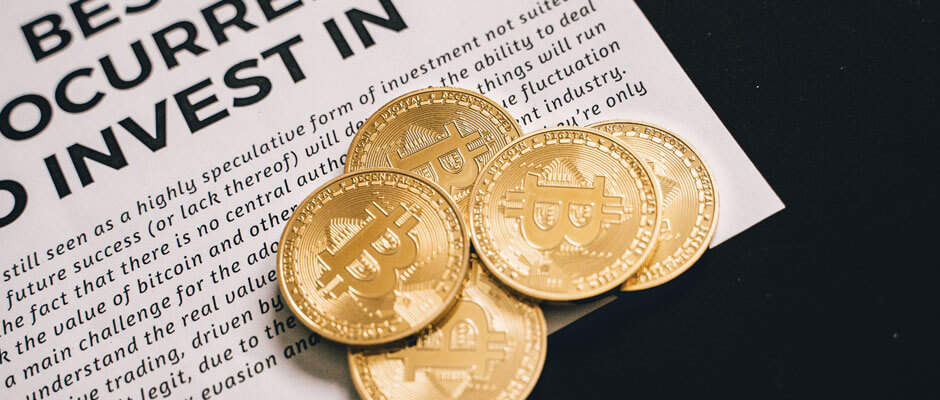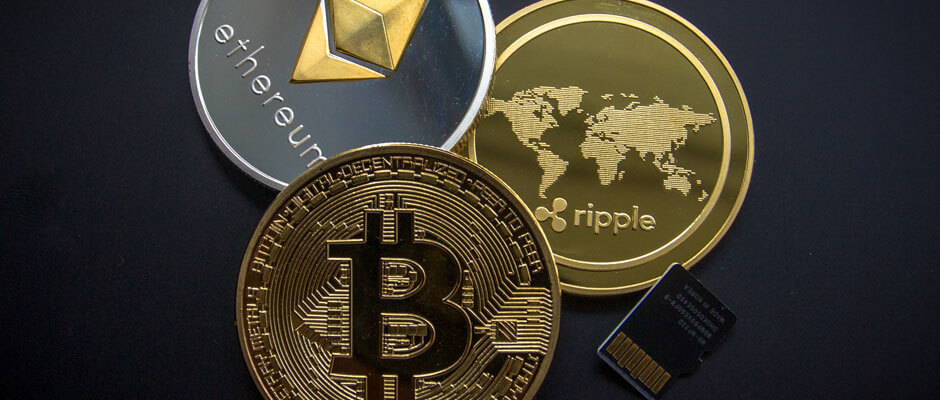
Bitcoin in 2026 remains the most talked about, most misunderstood, and most potentially profitable investment available to ordinary people anywhere in the world. Whether you have heard about Bitcoin from a friend, seen it in the news, or watched someone claim they made a fortune from it, this guide answers every question you have — honestly, clearly, and without hype.
By the end of this article you will know exactly what Bitcoin is, how it works, whether you should invest, how much to invest, and how to do it safely.


Table of Contents
- What Is Bitcoin and Why Does It Matter in 2026?
- How Bitcoin Works (Simply Explained)
- Bitcoin Price History — What Has Actually Happened
- Should You Invest in Bitcoin in 2026?
- How Much Bitcoin Should You Buy?
- How to Buy Bitcoin Step by Step in 2026
- How to Store Bitcoin Safely
- Bitcoin Investment Strategies That Actually Work
- Bitcoin Taxes — What You Need to Know
- Bitcoin Mistakes to Avoid
- The Future of Bitcoin Beyond 2026
- Conclusion
1. What Is Bitcoin and Why Does It Matter in 2026?
Bitcoin is digital money. It exists only online, it has no physical form, and no single government or bank controls it.
Created in 2009 by an anonymous person or group using the name Satoshi Nakamoto, Bitcoin was the first cryptocurrency — a form of currency that uses cryptography to secure transactions and control the creation of new units.
In 2026, Bitcoin matters for several reasons:
It is the largest cryptocurrency by market value. Bitcoin consistently holds the top position among thousands of cryptocurrencies, representing a significant portion of the entire crypto market.
It is increasingly accepted as a legitimate asset class. Major financial institutions, pension funds, and publicly traded companies now hold Bitcoin on their balance sheets. What was once dismissed as internet money for criminals is now treated by many serious investors as digital gold.
It has produced extraordinary returns over its history. While past performance never guarantees future results, Bitcoin’s long term price trajectory has been unlike almost any other asset in financial history.
It represents a fundamentally new idea about money. Bitcoin operates without central banks, without governments, and without intermediaries like Visa or PayPal. Transactions happen directly between people anywhere in the world, with no permission required from any authority.
Whether you ultimately decide to invest in Bitcoin or not, understanding it has become an essential part of financial literacy in 2026.
2. How Bitcoin Works (Simply Explained)
You do not need to understand the technical details of Bitcoin to invest in it — just as you do not need to understand how a car engine works to drive one. But a basic understanding helps.
The Blockchain
Every Bitcoin transaction is recorded on a public ledger called the blockchain. Think of the blockchain as a giant spreadsheet that everyone can see but nobody can change or delete. Every time someone sends Bitcoin to someone else, that transaction is added to the blockchain permanently.
This transparency is what makes Bitcoin trustworthy without requiring a bank or government to verify transactions. The blockchain itself acts as the verification system.
Mining
New Bitcoin is created through a process called mining. Powerful computers around the world compete to solve complex mathematical puzzles. The winner gets to add the next block of transactions to the blockchain and receives newly created Bitcoin as a reward.
This process is how Bitcoin is distributed and how the network is secured. Mining also controls the supply of new Bitcoin — making it impossible for anyone to simply create more Bitcoin out of thin air.
The 21 Million Limit
One of Bitcoin’s most important features is that only 21 million Bitcoin will ever exist. This hard cap on supply is built into Bitcoin’s code and cannot be changed. As of 2026 the vast majority of all Bitcoin that will ever exist has already been mined.
This fixed supply is one of the primary arguments for Bitcoin as a store of value. Unlike government currencies which can be printed in unlimited quantities, Bitcoin’s scarcity is mathematically guaranteed.
Bitcoin Halving
Approximately every four years an event called the Bitcoin halving occurs. During a halving the reward that miners receive for adding blocks to the blockchain is cut in half. This reduces the rate at which new Bitcoin enters circulation.
Historically Bitcoin halvings have been associated with significant price increases in the months and years that follow, as reduced new supply meets existing or growing demand.
3. Bitcoin Price History — What Has Actually Happened
Understanding Bitcoin’s price history is essential for any potential investor. The story is one of extraordinary gains punctuated by devastating crashes.
The Early Years (2009-2012)
Bitcoin had essentially no monetary value when it launched in 2009. The first real world transaction used 10,000 Bitcoin to buy two pizzas — those same Bitcoin would be worth hundreds of millions of dollars at later peak prices.
By 2012 Bitcoin was trading at around $10-15. Early adopters who bought and held during this period made extraordinary returns.
The First Major Cycle (2013-2015)
Bitcoin surged from around $15 at the start of 2013 to over $1,000 by the end of the year — a gain of more than 6,000% in twelve months. Then it crashed back down to around $200, where it languished for most of 2014 and 2015.
This pattern — explosive rise followed by brutal crash followed by recovery to new highs — has repeated throughout Bitcoin’s history.
The 2017 Bull Market
Bitcoin exploded from around $1,000 at the start of 2017 to nearly $20,000 by December — another approximately 2,000% gain in a single year. Then it crashed again, falling around 80% to below $4,000.
The 2020-2021 Supercycle
Driven partly by institutional adoption and partly by pandemic-era money printing, Bitcoin rose from around $7,000 in early 2020 to nearly $69,000 in November 2021 — a gain of nearly 900% in under two years.
The subsequent crash took Bitcoin back to around $16,000 — again approximately a 75% decline from the peak.
What History Tells Us
Several patterns emerge from Bitcoin’s price history:
- Bitcoin has experienced multiple crashes of 70-85% from peak prices
- Every previous crash has eventually been followed by recovery to new all time highs
- Long term holders who bought at almost any point in Bitcoin’s history and held for four or more years have generally seen positive returns
- Short term traders and those who bought at cycle peaks and sold during crashes have often lost money
Past performance does not guarantee future results. Bitcoin could fail entirely or could continue its historical pattern of volatile but upward trending prices over long periods. Nobody knows with certainty.
4. Should You Invest in Bitcoin in 2026?
This is the question everyone wants answered, and the honest answer is: it depends entirely on your personal financial situation, risk tolerance, and investment goals.
Arguments FOR investing in Bitcoin in 2026:
Institutional adoption is accelerating. Major banks, asset managers, and corporations now hold Bitcoin. Bitcoin exchange traded funds (ETFs) have made it accessible to mainstream investors. This growing institutional acceptance provides a foundation that did not exist in earlier cycles.
Fixed supply meets growing demand. With only 21 million Bitcoin ever to exist and global awareness of Bitcoin growing, basic supply and demand economics suggest continued price appreciation potential over long periods.
Portfolio diversification. Bitcoin has historically shown relatively low correlation to traditional assets like stocks and bonds. Adding a small allocation to Bitcoin may improve the risk-adjusted returns of a diversified portfolio.
Inflation hedge. In an era of expanding government debt and money supply, Bitcoin’s fixed supply makes it attractive as a potential store of value — similar to gold but digital and more portable.
Arguments AGAINST or for CAUTION:
Extreme volatility. Bitcoin can and does lose 50-80% of its value in bear markets. If you cannot emotionally and financially handle watching your investment lose half its value without selling, Bitcoin may not be suitable for you.
Regulatory risk. Governments around the world are still developing cryptocurrency regulations. Adverse regulatory actions could significantly impact Bitcoin’s price and usability.
No intrinsic cash flows. Unlike stocks which represent ownership of businesses that generate revenue, or bonds which pay interest, Bitcoin produces no income. Its value depends entirely on what someone else will pay for it in the future.
Technology risk. While Bitcoin has proven remarkably durable over 15+ years, technological risks including quantum computing threats to cryptography remain long term considerations.
The Verdict
For most people, if you decide to invest in Bitcoin, keeping your allocation to 1-5% of your total investment portfolio is a reasonable approach. This limits your downside if Bitcoin falls dramatically while giving you meaningful upside exposure if it continues its historical trajectory.
Never invest money in Bitcoin that you cannot afford to lose entirely. Bitcoin’s history includes multiple periods where it lost 80% of its value over 12-18 months.
5. How Much Bitcoin Should You Buy?
Financial advisors who discuss cryptocurrency typically recommend the following approach:
The 1-5% Rule
Allocate no more than 1-5% of your total investable assets to Bitcoin. This means if you have $10,000 to invest, your Bitcoin allocation would be $100-500.
This approach acknowledges Bitcoin’s potential while limiting the damage if things go badly wrong.
The “Invest What You Can Afford to Lose” Rule
Perhaps more practically, invest only an amount that would not significantly impact your life if it went to zero. If losing $500 would not materially affect your lifestyle, that is a reasonable starting point. If losing $500 would cause genuine hardship, start with less.
Dollar Cost Averaging
Rather than investing a lump sum, consider investing a fixed amount regularly — for example $50 per month. This strategy, called dollar cost averaging, means you buy more Bitcoin when prices are low and less when prices are high, smoothing out the impact of volatility over time.
Dollar cost averaging removes the stress and near-impossibility of trying to time the market. You simply buy consistently regardless of price and let time do its work.
6. How to Buy Bitcoin Step by Step in 2026
Buying Bitcoin has never been easier. Here is exactly how to do it safely:
Step 1: Choose a Reputable Exchange
A cryptocurrency exchange is a platform where you can buy and sell Bitcoin. The most important factors when choosing an exchange are security, regulatory compliance, fees, and ease of use.
Major regulated exchanges available in most countries include Coinbase, Kraken, Binance, and Gemini. Always verify that your chosen exchange is licensed to operate in your country and has a strong security track record.
Step 2: Create and Verify Your Account
All legitimate exchanges require identity verification (KYC — Know Your Customer) before you can buy cryptocurrency. This typically involves:
- Providing your full name, date of birth, and address
- Uploading a government issued photo ID
- Sometimes a selfie for facial verification
This process usually takes 24-48 hours for approval.
Step 3: Fund Your Account
Once verified you can add money to your exchange account via:
- Bank transfer (cheapest option, takes 1-3 days)
- Debit card (instant but higher fees, typically 1.5-3.5%)
- Credit card (not recommended — you pay interest on crypto purchases)
Step 4: Buy Bitcoin
Once your account is funded:
- Navigate to the Bitcoin (BTC) trading page
- Enter the amount in your local currency you want to spend
- Review the exchange rate and fees
- Confirm the purchase
You now own Bitcoin. It will appear in your exchange wallet immediately.
Step 5: Consider Moving to a Private Wallet
For amounts above a few hundred dollars, consider moving your Bitcoin off the exchange to a personal wallet (covered in the next section). The famous saying in crypto is “not your keys, not your coins” — if the exchange is hacked or goes bankrupt, Bitcoin held there could be lost.
7. How to Store Bitcoin Safely
How you store your Bitcoin is as important as buying it. Bitcoin theft and exchange hacks have cost investors billions of dollars over the years.
Exchange Wallets (Hot Storage)
When you buy Bitcoin on an exchange it is stored in the exchange’s wallet. This is convenient but carries risks — if the exchange is hacked, goes bankrupt, or freezes withdrawals, your Bitcoin could be inaccessible or lost.
Exchange storage is acceptable for:
- Small amounts you plan to trade actively
- Amounts you could afford to lose entirely
Software Wallets
Software wallets are apps on your phone or computer that give you direct control of your Bitcoin. Popular options include Exodus, Electrum, and BlueWallet. These are more secure than exchange wallets but still connected to the internet (hence “hot” storage) and vulnerable to malware.
Hardware Wallets (Cold Storage)
For significant Bitcoin holdings the gold standard is a hardware wallet — a physical device that stores your Bitcoin offline. Popular hardware wallets include Ledger and Trezor, typically costing $50-200.
Hardware wallets are immune to online hacks because your private keys never touch the internet. To send Bitcoin you physically connect the device, verify the transaction on the device’s screen, and approve it.
The Seed Phrase
When setting up any personal wallet you will receive a seed phrase — typically 12 or 24 randomly generated words. This seed phrase is the master key to your Bitcoin. Anyone with your seed phrase can access all your Bitcoin.
Write your seed phrase on paper (never store it digitally) and keep it in a secure location — ideally multiple secure locations like a home safe and a bank safe deposit box. If you lose your seed phrase and your wallet device, your Bitcoin is gone forever with no recovery option.
8. Bitcoin Investment Strategies That Actually Work
Strategy 1: Buy and Hold (HODL)
The simplest and historically most effective strategy for most Bitcoin investors. Buy Bitcoin and hold it for a minimum of four years regardless of price fluctuations.
This strategy works because:
- It removes the near-impossible challenge of timing the market
- Four year holding periods have historically been profitable at almost any entry price
- It avoids the tax complications of frequent trading
- It requires minimal time and attention
Strategy 2: Dollar Cost Averaging
Buy a fixed dollar amount of Bitcoin on a regular schedule — weekly, biweekly, or monthly. Many exchanges allow you to set up automatic recurring purchases.
Dollar cost averaging is ideal for:
- People who want Bitcoin exposure but are nervous about buying at the wrong time
- Those with regular income who want to invest consistently
- Investors who want a disciplined, emotion-free approach
Strategy 3: The Core and Explore Approach
Allocate 70-80% of your crypto budget to Bitcoin (the stable core) and 20-30% to other cryptocurrencies you have researched carefully (the explore portion). This gives you Bitcoin’s relative stability while allowing some exposure to higher-risk, higher-potential-return altcoins.
Strategy 4: Sell in Stages at Targets
Rather than trying to sell at the exact peak, set price targets at which you will sell portions of your holdings. For example sell 20% at each of several price milestones. This ensures you capture some profits even if you never perfectly time the top.
9. Bitcoin Taxes — What You Need to Know
In most countries Bitcoin is treated as property for tax purposes, meaning:
Taxable events include:
- Selling Bitcoin for fiat currency (profit or loss)
- Trading Bitcoin for another cryptocurrency
- Using Bitcoin to purchase goods or services
- Receiving Bitcoin as payment for work
Non-taxable events typically include:
- Buying Bitcoin with fiat currency
- Transferring Bitcoin between your own wallets
- Holding Bitcoin (unrealized gains are not taxed until sold)
Record keeping is essential. Keep detailed records of every Bitcoin transaction including the date, amount, price at time of transaction, and any fees paid. Many crypto tax software tools like Koinly, TaxBit, and CoinTracker can automate this process.
Tax rules vary significantly by country. Always consult a qualified tax professional familiar with cryptocurrency in your jurisdiction.
10. Bitcoin Mistakes to Avoid
Mistake 1: Investing More Than You Can Afford to Lose Bitcoin can lose 80% of its value. Only invest what would not significantly impact your life if lost entirely.
Mistake 2: Trying to Time the Market Professional traders with sophisticated tools consistently fail to time crypto markets. Dollar cost averaging beats timing for most investors.
Mistake 3: Leaving Large Amounts on Exchanges Exchanges have been hacked, frozen, and bankrupted. Move significant holdings to a hardware wallet.
Mistake 4: Losing Your Seed Phrase Millions of Bitcoin have been permanently lost because owners lost their seed phrases. Store yours securely in multiple locations.
Mistake 5: Panic Selling During Crashes Bitcoin crashes are brutal and feel catastrophic when you are in them. Investors who sold during previous crashes typically regretted it when prices recovered to new highs. If you cannot hold through an 80% drop do not invest more than you can emotionally handle losing.
Mistake 6: Following Hype and Tips Social media is full of people promoting specific cryptocurrencies for their own benefit. Do your own research. If someone on social media is urgently telling you to buy a specific coin right now, be very skeptical.
Mistake 7: Ignoring Taxes Crypto tax authorities are increasingly sophisticated. Failing to report crypto gains can result in significant penalties. Keep records and report accurately.
11. The Future of Bitcoin Beyond 2026
Predicting Bitcoin’s future is impossible — anyone who tells you otherwise is either lying or delusional. However several trends are worth understanding:
Increasing Institutional Adoption The entrance of institutional investors, Bitcoin ETFs, and corporate treasury allocations has fundamentally changed Bitcoin’s investor base. This institutional participation may reduce volatility over time and provide more stable demand.
Regulatory Clarity Governments worldwide are developing clearer cryptocurrency regulations. Greater regulatory clarity, while potentially restrictive in some ways, generally increases confidence and participation from traditional investors.
The Lightning Network Bitcoin’s Lightning Network is a secondary payment layer that enables fast, cheap Bitcoin transactions — potentially making Bitcoin practical for everyday purchases rather than just as a store of value investment.
Quantum Computing The long term theoretical risk of quantum computers breaking Bitcoin’s cryptographic security is real but likely decades away. Bitcoin developers are already working on quantum-resistant cryptographic solutions.
Environmental Concerns Bitcoin mining consumes significant electricity. Increasing use of renewable energy for mining and ongoing efficiency improvements may address environmental concerns that have affected institutional and retail investor sentiment.
12. Conclusion
Bitcoin in 2026 is neither the guaranteed path to riches that enthusiasts promise nor the certain disaster that skeptics predict. It is a genuinely novel financial asset with a unique combination of potential and risk.
What the history of Bitcoin clearly shows is that patient, disciplined investors who allocated a small portion of their portfolio to Bitcoin, bought consistently over time, stored their Bitcoin securely, and held through the inevitable crashes have generally been rewarded over four-plus year periods.
What the history also shows is that people who invested more than they could afford to lose, tried to trade in and out, or panic sold during crashes often lost money.
The question is not whether Bitcoin will make you rich overnight. It probably will not. The question is whether a small, disciplined, long-term allocation to Bitcoin makes sense as part of a diversified financial strategy.
For many people in 2026 the answer is yes — with appropriate position sizing, secure storage, and the emotional fortitude to hold through volatility.
Start small. Stay patient. Secure your holdings. And never invest more than you can genuinely afford to lose.
For more financial guides and investment strategies visit internationalarticle.com
Recommended Reading:
- Investment Guide for Beginners 2026
- Best Passive Income Ideas 2026
- Financial Freedom Guide for Beginners
- Stock Market Guide for Beginners 2026